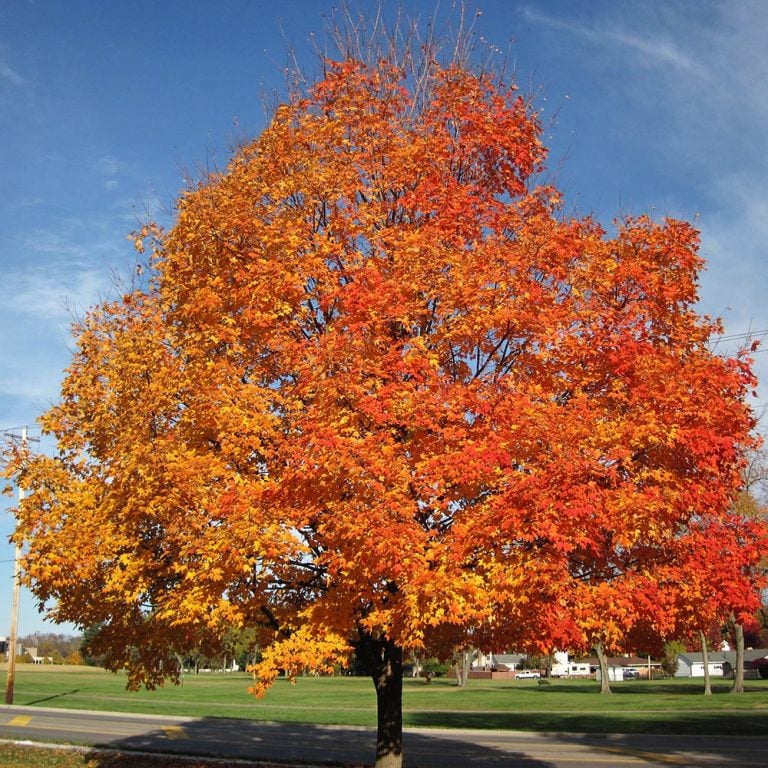

Sugar Maple
$11.95
Sugar Maple (also known as Hard Maple; Acer saccharum) is the defining large shade tree of the northern hardwood forest, celebrated for high-sugar sap that yields maple syrup, along with spectacular fall foliage in yellow, orange, red, and scarlet. It grows in USDA hardiness zones 3-8 and AHS heat zones 1-6.
1-2′ Bare Root Seedling Tree
Propagation: Seedling (own-root)
In stock
Sugar Maple (Acer saccharum) is the defining species of the northern hardwood forest, native across a broad arc from Nova Scotia and Quebec west to southeastern Manitoba and south through the Appalachians into Tennessee and northern Georgia. The species was formally described by Frederick Pursh in 1814, though its ecological and economic importance to Indigenous peoples of the Great Lakes and St. Lawrence regions long predated European botanical accounts. No breeding program released it — Sugar Maple entered cultivation directly from wild populations tapped for sap across centuries of use. Its common names, Hard Maple and Rock Maple, reflect the notable density of its heartwood, among the hardest in temperate North America. The combination of a sap averaging 2 to 3 percent sucrose — roughly double that of red maple — with a reliable annual mast crop and centuries-long lifespan has made it the benchmark species both for commercial syrup production and for temperate forest ecology. A well-placed Sugar Maple is a multi-generational landscape anchor.
Sugar Maple's intolerance of urban stresses is its primary siting constraint. Road salt reaching the root zone — through runoff or direct spray — causes foliar scorch and canopy dieback within one to three seasons, so placement along heavily salted winter roads is inadvisable. Soil compaction is equally damaging: the root system relies on loose, oxygen-rich loam with consistent moisture to sustain a canopy that can span 60 feet. A pH between 5.5 and 7.3 covers most forest and lawn soils, though persistent alkalinity above 7.5 induces manganese and iron chlorosis. The species needs a cool-to-moderate summer climate; prolonged heat above 95°F stresses trees at the southern edge of zones 7 and 8, especially on exposed south-facing slopes. Water during establishment is critical — newly planted trees need consistent moisture for the first two to three growing seasons to develop the lateral root structure that carries them through later dry spells. Avoid planting in low spots where water pools: well-drained but moisture-retentive loam is the target, not chronically wet clay.
USDA Hardiness Zone: 3-8
AHS Heat Zone: 1-6
Sun Requirements: Full Sun to Partial Shade
Soil pH: 5.5-7.3
Soil Type: Loam, clay, sandy loam; well-drained with high organic matter
Soil Drainage: Well-drained to moist
Water Requirements: Medium — prefers consistent moisture; does not tolerate drought well
Drought Tolerance: Low — sensitive to drought; prone to leaf scorch under dry conditions
Heat Tolerance: Low — intolerant of prolonged high heat; performs best in cool to moderate summer climates
Plant Spacing: 24-60 ft apart
Container Suitability: No — large canopy tree; not suitable for containers
The mature canopy develops an upright oval silhouette that gradually rounds with age, eventually spreading 30 to 60 feet across and reaching 40 to 80 feet tall over several decades. Growth is slow to medium — expect 12 to 18 inches per year under good conditions — which translates to structural wood that is denser and more wind-firm than fast-growing shade trees like Silver Maple. The branch structure is well-attached and resistant to ice damage, a meaningful advantage in zones 3 through 5 where ice storms are common. Sugar Maples form intraspecific root grafts with neighboring trees, sharing resources through the soil — meaning excavation or herbicide application near one tree can injure adjacent maples through the shared network. Fall foliage color ranges from clear yellow through orange to scarlet and is among the most reliable in the genus; color intensity depends on cool nights following warm days in September and October. The dense canopy casts deep shade, naturally suppressing turf beneath mature trees.
Mature Height: 40-80 ft tall
Mature Spread: 30-60 ft wide
Growth Habit: Upright, oval to rounded crown; dense and spreading at maturity
Growth Rate: Slow to Moderate
Foliage Type: Deciduous
Food Forest Layer: Canopy
Permaculture Role: Canopy tree; edible sap producer; wildlife habitat; dynamic accumulator (calcium, potassium); windbreak; carbon sequestration
Leaf Color: Dark green (summer); medium green with lighter undersides
Fall Foliage Color: Yellow, orange, red, and scarlet
Thorns?: No
Attracts Wildlife: Birds, small mammals, squirrels, pollinators (bees), cavity-nesting birds; deer, moose, porcupine browse
Life Span: 300-400 years
Sugar Maple is monoecious, bearing separate male and female flowers on the same tree, pollinated by wind and visiting bees. Bloom occurs from late March through mid-May in a temperate climate, opening just as or slightly before leaf emergence — an early nectar source important to native bee populations coming out of winter dormancy. Each tree carries both flower sexes, so no separate pollinator is required to set seed. Cross-pollination between nearby Sugar Maples improves samara (winged seed) set and viability, so planting two or more individuals within roughly 100 to 300 feet is beneficial where space permits. Sap production is not affected by pollination; syrup growers tap trees regardless of whether viable seed is produced that season.
Bloom Season: Very Late
Bloom Window: Late Mar - Mid May
Pollination Requirements: Cross-pollination (separate male and female flowers on same tree; wind and insect pollinated)
Pollination Mechanism: Wind and insect (bees visit flowers for nectar and pollen)
Flower Color: Greenish-yellow
Sugar Maple is primarily valued for its sap and the secondary products derived from it, not for conventional fruit. The winged samaras (paired keys) that develop after pollination mature by late May to early June, are about 1 inch long, and disperse on wind; they serve as food for squirrels, small mammals, and a range of songbirds before and after they fall. The principal edible product is sap, which runs during late winter freeze-thaw cycles — typically February through March in cool-temperate regions — and averages 2 to 3% sucrose. Roughly 40 gallons of sap boils down to 1 gallon of finished syrup (approximately 66% sucrose). Young inner bark can be dried and ground as a flour extender, and young spring leaves are edible raw or lightly cooked. Seeds are edible when boiled to remove tannins. From a wildlife standpoint, the canopy supports hundreds of moth and butterfly caterpillar species, cavity-nesting birds use mature specimens, and the flowers provide early-season pollen and nectar when few other trees have leafed out.
Culinary Uses: Maple syrup and sugar production (primary); sap as sweet beverage; inner bark ground into flour for bread/soup thickening; seeds edible cooked
Sugar Maple carries moderate susceptibility to Verticillium Wilt (Verticillium dahliae); avoid infected planting sites and maintain vigor through consistent moisture and mulching. Nectria Canker (Neonectria galligena) is the most significant disease pressure — wounds and winter-injured bark are primary entry points. Prune during dry weather, disinfect tools between cuts, and remove canker-bearing limbs well below the visible margin. Bacterial Leaf Scorch (Xylella fastidiosa) causes marginal leaf browning in mid to late summer and spreads via leafhopper vectors; managing leafhoppers with insecticidal soap on young nursery stock reduces spread. Anthracnose (Discula campestris) causes minor foliar browning in cool wet springs; Sugar Maple's moderate resistance limits this to cosmetic impact. Purple Bordered Leaf Spot (Phyllosticta minima) is managed by raking and destroying fallen leaves in autumn. Asian Longhorned Beetle (Anoplophora glabripennis) is a quarantine pest — report suspected infestations to state agriculture authorities immediately. Sugar Maple Borer (Glycobius speciosus), Pear Thrips (Taeniothrips inconsequens), and Maple Aphids are recurrent secondary pressures. Dormant-season horticultural oil addresses scale; insecticidal soap controls aphids. Maintaining tree vigor is the single most effective defense.
Verticillium Wilt: Moderately Susceptible
Nectria Canker: Susceptible
Anthracnose: Moderately Resistant
Bacterial Leaf Scorch: Moderately Susceptible
Purple Bordered Leaf Spot: Susceptible
Asian Longhorned Beetle: Susceptible
Sugar Maple Borer: Moderately Susceptible
Pear Thrips: Moderately Susceptible
Maple Aphids / Cottony Maple Scale: Moderately Susceptible
- Avoid road salt exposure: Plant Sugar Maple at least 50 feet from heavily salted winter roads or where runoff drains away from root zones — salt sensitivity is its most common urban failure point.
- Inspect for Nectria Canker entry points: After any major winter storm or pruning event, check branch wounds for sunken, discolored bark; remove cankered wood at least 6 inches below visible symptoms and disinfect tools with a 10% bleach solution between each cut.
- Mulch the root zone: Apply 3–4 inches of wood-chip mulch out to the drip line, kept clear of the trunk flare, to retain moisture, moderate soil temperature, and reduce compaction from foot traffic.
- Report Asian Longhorned Beetle immediately: Round exit holes (about 3/8 inch diameter) in the bark are the primary sign of ALB infestation — contact your state department of agriculture at the first observation, as this pest is a regulated quarantine species with mandatory response protocols.
- Tap only mature trees for syrup: Wait until trunk diameter reaches at least 10 inches before tapping; follow a one-tap-per-10-inch-diameter rule and relocate tap holes each year to allow full wound closure.
We ship in late winter or early spring based on your USDA hardiness zone.
We strive to ship orders on the scheduled dates listed in the table below. However, please note that the actual shipping date may be subject to change due to factors like weather conditions and order volume.
The specific date for shipping your order will be determined according to your zipcode at the time of checkout.
Our plants are shipped bare root, packed in moist sawdust, and securely wrapped in plastic to prevent the roots from drying out. We use USPS Ground Advantage for shipping, ensuring that your plants typically arrive within 2-5 days after packaging.
In case you're unable to plant the trees immediately upon arrival, we recommend soaking them in water for a few hours and temporarily heeling them in. Ideally, they should be planted within three days of receipt for optimal health.
See our full shipping policy and map here
| Zone | Ship Date |
|---|---|
| 11 - 8b | March 1st, 2027 |
| 8a - 7b | March 8th, 2027 |
| 7a | March 15th, 2027 |
| 6b | March 22nd, 2027 |
| 6a | March 29th, 2027 |
| 5b - 5a | April 12th, 2027 |
| 4b - 4a | April 26th, 2027 |
| 3b - 1a | May 3rd, 2027 |
Our 365-Day Plant Guarantee: We ensure that our plants are delivered to you alive and healthy. If your plant does not survive its first year, you're eligible for store credit under these conditions:
- Your location falls within the appropriate USDA hardiness zone for the plant variety (refer to our hardiness zone map).
- You maintain the roots' moisture and plant within three days of delivery, following the instructions in our Planting Guide.
If you're concerned about your plant's health, please consult our guide, How to Tell if Your Tree is Dead or Dormant. Remember, our plants are shipped in a dormant state and may leaf out at different times based on their species. To check for plant vital
1 review for Sugar Maple
Related products

Shumard Oak
Checking fit
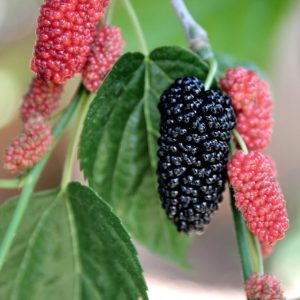
Red Mulberry
Checking fitRated 4.89 out of 5
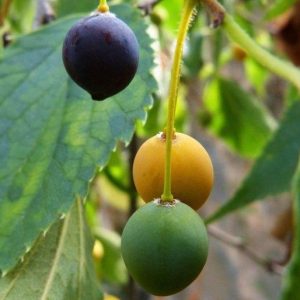
Hackberry
Checking fitRated 4.83 out of 5
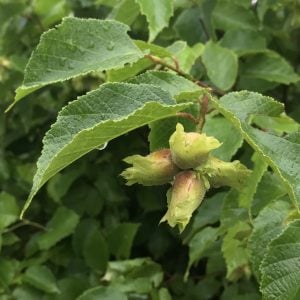
American Hazelnut
Checking fitRated 4.57 out of 5


Elena M. (verified owner) –
Still dormant but alive.